
How the US–Israel–Iran Conflict is Disrupting Global Fashion Supply Chains (2026 March Insight)
18/03/2026 | Transport
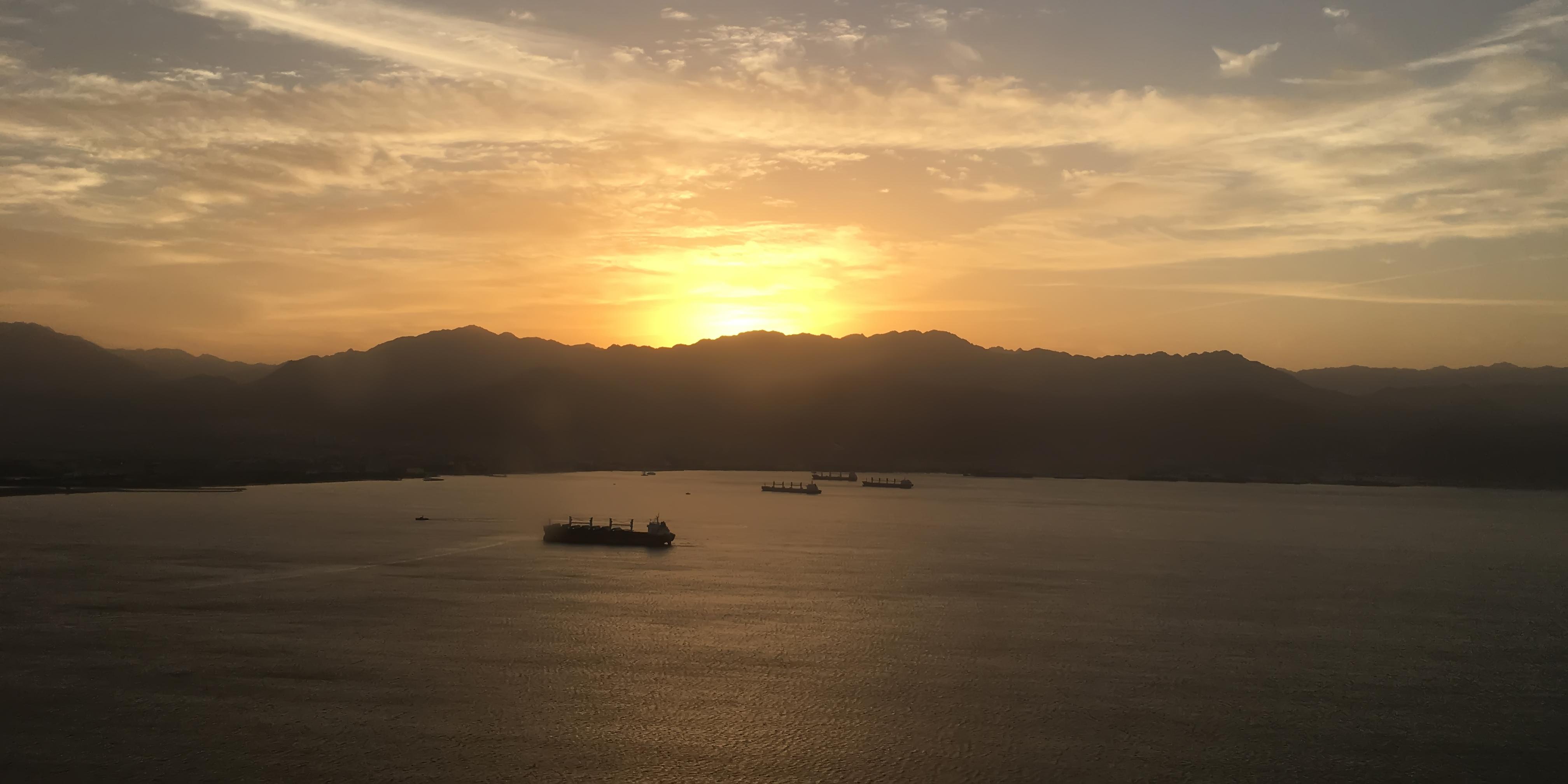
The ongoing geopolitical tensions between the United States, Israel and Iran are no longer just a regional concern, they are now directly impacting global industries, including fashion retail and supply chains.
Recent developments highlight the scale of disruption:
Energy markets have been severely affected, with key gas and oil infrastructure targeted across the Middle East, pushing prices sharply higher
The Strait of Hormuz, responsible for nearly 20% of global oil flow, is now heavily disrupted, impacting global logistics and transport costs
Fashion supply chains are facing a major shock, with shipping routes, air cargo, and textile exports from South Asia significantly delayed
For the fashion industry, this creates a cascading effect. Higher fuel prices increase transportation costs. Delays in maritime and air routes disrupt seasonal inventory cycles. Summer collections — typically the most important retail period due to tourism — now face uncertainty in both supply and demand.
Airspace restrictions across the Middle East have already caused widespread flight disruptions, impacting not only passenger travel but also high-value fashion logistics, which often rely on air freight for speed and security .
What Happens if This Continues?
If the situation persists into the summer season:
- Retailers may face stock shortages or delayed launches
- Luxury brands could see price increases due to rising logistics costs
- International tourism — a key driver for luxury shopping in cities like London — may decline
- Cross-border shopping and gifting could become more complex and expensive
In short, the traditional global fashion supply chain is being tested like never before.
A Shift Towards Smarter Shopping Solutions In times of disruption, convenience and flexibility become critical. At WeCarryBags, we are already seeing a shift in customer behaviour: Shoppers prefer secure delivery over carrying multiple high-value purchases during uncertain travel conditions International clients are increasingly using personal shopping services to access UK fashion without travelling Customers are opting for centralised fulfilment solutions rather than relying on fragmented retail logistics Our Luxury Personal Shopping Service allows clients to source and receive products directly from the UK, while our Hands-Free Shopping Service ensures that in-store shopping remains seamless, even during travel disruptions.
Conclusion The current geopolitical landscape is reshaping how global fashion operates. As supply chains become more fragile and travel more unpredictable, the future of retail will rely on adaptive, customer-focused solutions that bridge physical shopping and digital fulfilment. In this evolving environment, businesses that combine access, convenience and flexibility will define the next phase of global fashion retail.
Get Started with WeCarryBags
Hassle-free experience delivers your Shopping bags from Store to Door.


We are endorsed by

Contact
Carrybags Limited
111 New Union Street,
CV1 2NT, Coventry,
United Kingdom

Copyright © 2026, All rights reserved.